
Trump's 2025 Health: The Year Bruises Went Viral
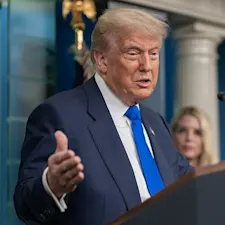
President Donald Trump participates in the swearing-in ceremony for Administrator of the Centers for Medicare and Medicaid Services Mehmet Oz, Friday, April 18, 2025, in the Oval Office. Official White House Photo by Molly Riley. Public domain.
A mysterious bruise on President Donald Trump's hand and swollen ankles caught the public's eye, sparking a wave of questions about the health of the 79-year-old leader. What started as a single mark partially hidden by makeup during a White House meeting quickly snowballed into a broader conversation about Trump's physical condition and cognitive fitness, just months into his second term. The White House has repeatedly insisted that the president remains in excellent health, but experts and political opponents alike are watching closely as the scrutiny intensifies ahead of the 2026 midterm elections.
The Bruise That Sparked a Frenzy
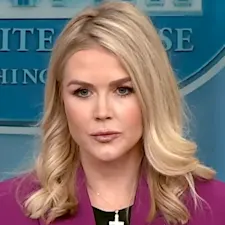
Photographers captured images of a dark bruise on the back of Trump's hand during a bilateral meeting with French President Emmanuel Macron. The mark was partially concealed with makeup, prompting the White House to offer an explanation that the bruising was caused by frequent handshaking and aspirin use, a medication Trump reportedly takes daily to reduce the risk of heart attack and stroke. White House Press Secretary Karoline Leavitt emphasized that Trump is "a man of the people" who shakes more hands than any other president in history, framing the bruise as a benign consequence of his public engagements, as reported by The Daily Beast.
However, the story did not end there. Months later, at the FIFA Club World Final, cameras caught Trump's ankles and lower legs visibly swollen, a condition colloquially dubbed "cankles." This swelling fueled speculation about underlying health issues, with some wondering if it was gout or a more serious circulatory problem. The White House later confirmed that Trump had been diagnosed with chronic venous insufficiency (CVI), a common circulatory condition in older adults that can cause leg swelling.
Medical Evaluations and Cognitive Tests
Trump's health has been under medical review multiple times this year at Walter Reed National Military Medical Center. In April, his physician, Dr. Sean Barbabella, reported on Trump's "annual physical," noting well-controlled hypertension and benign skin lesions, as reported by MedPage Today. Trump also took a Montreal Cognitive Assessment (MoCA) test, scoring a perfect 30 out of 30, marking his second such assessment since 2018.
In October, Trump underwent a follow-up evaluation that included an MRI scan of his cardiovascular and abdominal systems. The White House released a detailed summary stating that the MRI results were "perfectly normal," with no acute or chronic concerns, as reported by POLITICO. The imaging showed smooth vessel walls and healthy major organs, confirming that Trump's cardiovascular system is in "excellent health."
Trump himself has boasted on his social media platform, Truth Social, that he "aced all three" cognitive tests he has taken in front of medical experts, as reported by MedPage Today, though the White House has not clarified when or where all these tests occurred. The last known medical exam in October did not mention the cognitive assessments or their results.
Public and Expert Reactions
Despite official reassurances, Trump's health has become a hot topic in media and political circles. The Daily Beast has documented instances where Trump appeared to doze off during meetings, including a notable moment during a signing ceremony for weight-loss drug price reductions. These episodes have raised eyebrows, though geriatricians note that daytime napping is not unusual for someone approaching 80 years old, especially with a demanding schedule.
Psychologist Dr. John Gartner has described some of Trump's recent behavior, including erratic outbursts and confusion, as "flashing signs of an immense cognitive decline," as reported by The Daily Beast. Yet, other experts like Dr. Rob Howard and Dr. Eric Widera have expressed that Trump's ability to maintain a rigorous schedule and manage complex tasks suggests he does not currently show signs of dementia, as reported by MedPage Today. Widera pointed out that diagnosing cognitive impairment requires observing a change from baseline, and Trump's behavior, while polarizing, may not differ significantly from his usual style.
Political Stakes and Transparency Concerns
The issue of Trump's health has taken on a political dimension, with Democrats planning to make his mental acuity and physical fitness a key campaign theme in the upcoming midterms. California Governor Gavin Newsom has emerged as a vocal critic, frequently highlighting concerns about Trump's cognitive state.
The White House's handling of health disclosures has drawn criticism for being inconsistent and evasive. For example, the MRI scan Trump underwent in October was not initially disclosed in the official medical report, and the White House reportedly declined to explain why it was needed. Trump himself was unable to specify which part of his body was scanned when asked by reporters aboard Air Force One, as reported by POLITICO.
Leavitt has defended the administration's transparency, reading from the physician's summary to assert that the detailed assessment is standard for an executive physical at Trump's age and confirms his excellent overall health. She contrasted this with what she described as the "failing legacy media" covering up former President Joe Biden's health issues, accusing the media of pushing "fake and desperate narratives" about Trump, as reported by The Daily Beast.
What the Numbers Say
Geriatricians note that health among 80-year-olds varies widely. The top 10th percentile of octogenarians has a median survival of 17 to 18 years, while the bottom 10th percentile may have only 2 to 3 years. The average is closer to 9 years. Chronic venous insufficiency, the condition Trump was diagnosed with, is common in this age group and usually does not impact daily life unless severe swelling limits mobility.
The Ongoing Conversation
Trump's health story began with a single bruise and swollen ankles but has evolved into a complex narrative involving medical tests, cognitive assessments, and political strategy. The White House insists the president remains fit to serve, while critics and some experts continue to question the full picture. As the 2026 midterms approach, the debate over Trump's health and transparency is unlikely to fade, reflecting broader concerns about presidential fitness and voter trust in an era of intense political polarization.
Whether you see the bruises and swelling as minor signs of aging or as red flags, the spotlight on Trump's health is shining brighter than ever, with every handshake and every swollen ankle under the microscope.
References: How Donald Trump, 79, Turned Bruises and Cankles Into a Full-On Health Crisis | The Year in Trump's Health | White House gives new details on Trump's health following exam